Top 10 Reasons Temporary Email Websites Are Growing Rapidly in 2026
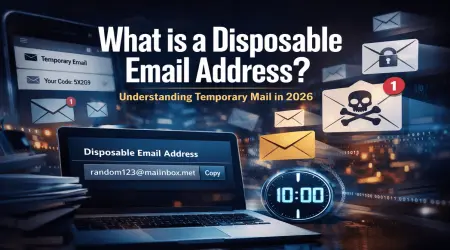
Temporary email websites are no longer seen as a niche tool used only by a small group of internet users. In 2026, more people are turning to temporary inboxes because online sign-ups are everywhere, email-based verification is common, and inbox clutter has become a daily frustration for many users.
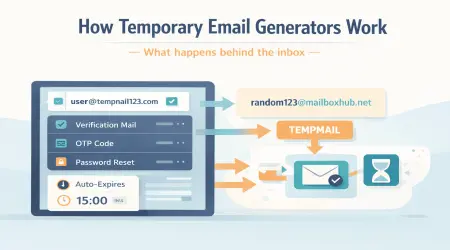
A temporary inbox gives people a way to complete short-term online tasks without using the same email address for every website, trial, form, or public registration. That simple use case explains why demand continues to grow.
In this article, we look at ten practical reasons temporary email websites are growing quickly, where they are most useful, and where they should not be used.
You can also review our About Us, Privacy Policy, and Terms and Conditions for more context about how TempMail Bank is intended to be used.
1. More Websites Require Email for Basic Access
Many websites now require an email address before you can create an account, unlock a trial, access a download, or receive a one-time verification message. Because these requests are so common, users increasingly look for ways to avoid giving their primary inbox to every platform they visit.
Temporary email websites fit naturally into this environment because they offer a short-term inbox for low-priority registrations and routine access requests.
2. People Want Less Spam in Their Main Inbox
One of the biggest reasons temporary email services keep growing is simple: people are tired of inbox clutter. After enough sign-ups, a personal inbox can become filled with newsletters, reminders, offers, and follow-up messages from services that users barely remember joining.
Temporary inboxes help separate those low-priority registrations from the inbox people rely on for personal, work, and long-term communication.
3. Short-Term Sign-Ups Are More Common Than Ever
Not every account is meant to last. Many online activities are temporary by nature, such as trying a free tool, testing a platform, joining a public site once, or downloading a short-term resource. In those cases, users often do not need permanent email communication.
That is why temporary inboxes are increasingly viewed as a practical tool rather than an unusual workaround.
4. Email Privacy Matters More to Everyday Users
Privacy is no longer a concern limited to technical users. More people now think carefully about where their real email address is shared, how often it appears across the web, and whether every website truly needs permanent access to their inbox.
A temporary inbox can reduce unnecessary exposure of a primary email address during routine online activity. That makes temporary email websites appealing to users who want a more controlled signup process.
5. Developers, Testers, and QA Teams Use Them Regularly
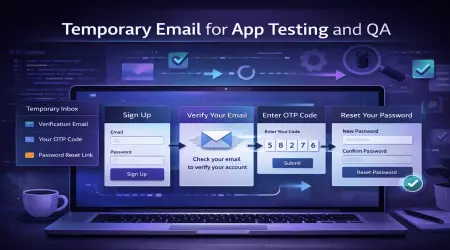
Temporary email is not only for casual browsing. It is also useful in software testing, QA workflows, onboarding checks, and email verification scenarios. Teams often need to create multiple short-term accounts without filling a shared inbox with repeated test messages.
As more apps and services depend on email-based verification, this use case continues to support the growth of temporary inbox platforms.
6. People Want a Cleaner Sign-Up Workflow
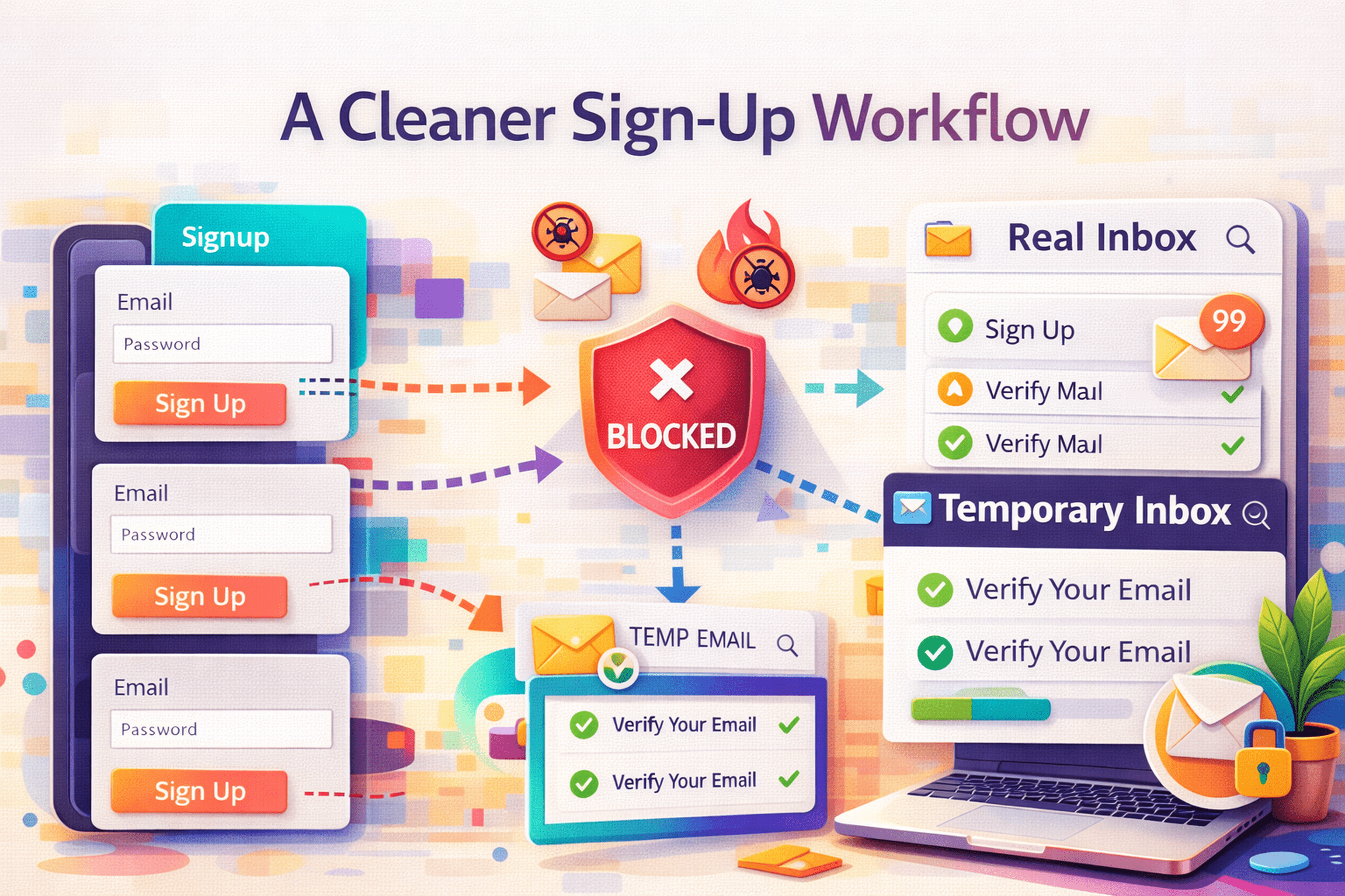
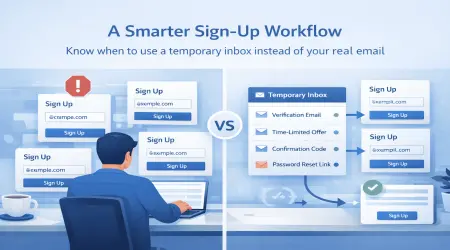
Using the same email address for everything creates friction later: more noise, more sorting, and less clarity around which messages matter. A temporary inbox can create a cleaner workflow by keeping low-value registrations separate from high-value communication.
Temporary email is often useful for:
- trial sign-ups
- one-time verification emails
- public forum registrations
- testing email workflows
- short-term tool access
That separation makes inbox management easier, which is one reason users continue to adopt these services.
7. Free Tools Often Attract High Repeat Use
Many temporary email websites are simple to use and easy to access. For users who only need a short-term inbox occasionally, this convenience matters. When a tool is quick, clear, and useful for routine tasks, repeat usage becomes more likely.
Growth often comes not only from new users, but also from returning users who have already found a practical reason to use temporary email.
8. More Users Understand the Difference Between Temporary and Long-Term Accounts
A growing number of people now understand that not every account deserves the same inbox. Long-term accounts may need password recovery, stable communication, and future access. Short-term sign-ups usually do not.
That distinction makes temporary inboxes easier to justify. The more users adopt this decision-making habit, the more relevant temporary email websites become.
9. Temporary Email Supports Low-Risk Experimentation
Users often want to explore a platform before deciding whether it is worth keeping. Temporary email makes that kind of experimentation easier. Instead of committing a real inbox to every app, newsletter, tool, or public platform, users can complete an initial sign-up and decide later whether the service deserves long-term attention.
This flexibility is one reason temporary email services continue to grow across different kinds of users.
10. People Are More Selective About Their Real Email Address
Perhaps the biggest reason for growth is behavioral: users are becoming more selective. Instead of automatically sharing their personal inbox everywhere, they are asking a more useful question:
Does this website really need my real email address, or is a short-term inbox enough?
That shift in behavior creates long-term demand for temporary email websites. The tool is useful because the decision behind it is becoming more common.
Why This Growth Is Happening Now

The rise of temporary email websites in 2026 is not just about privacy. It is also about convenience, inbox control, workflow efficiency, and better digital habits. People are dealing with more registrations, more verification requests, and more unwanted follow-up messages than before. Temporary inboxes help address those practical problems in a simple way.
Where Temporary Email Should Not Be Used
Even though temporary inboxes are growing in popularity, they are not the right choice for every situation. They should generally not be used for:
- banking or financial accounts
- password recovery for important services
- medical, legal, or highly personal communication
- business-critical long-term accounts
- private communication that depends on stable inbox access
Important: Temporary inboxes may be public and are not intended for banking or sensitive accounts.
How TempMail Bank Fits Into This Trend
TempMail Bank is designed for short-term sign-ups, one-time verification, routine inbox separation, and temporary use cases where long-term account recovery is not the main goal. That makes it useful for many of the situations driving temporary email growth today.
The goal is not to replace every real inbox. The goal is to use the right inbox for the right situation.
Final Thoughts
Temporary email websites are growing rapidly in 2026 because they solve several practical problems at once: inbox clutter, routine sign-up overload, low-priority registrations, and unnecessary exposure of primary email addresses. As users become more selective about where their real inbox is shared, temporary inboxes become a more natural part of everyday online behavior.
For short-term, low-priority, and experimental sign-ups, temporary email often makes sense. For important, sensitive, or long-term accounts, a stable personal inbox is still the better choice.
FAQ
Why are temporary email websites becoming more popular?
They help users manage short-term sign-ups, reduce spam in their main inbox, and avoid sharing a personal email address with every website they visit.
Are temporary email websites only used for privacy?
No. Privacy is one reason, but convenience, testing workflows, trial registrations, and inbox organization also play a big role.
Can temporary email reduce inbox clutter?
Yes. A temporary inbox can keep low-priority registrations separate from your main email account, which helps reduce long-term clutter.
Should temporary email be used for important accounts?
Usually no. Important accounts that may require recovery, long-term access, or sensitive communication are better suited to a stable personal inbox.