What is a Disposable Email Address? Understanding Temporary Mail in 2026
What is a Disposable Email Address? Understanding Temporary Mail in 2026
Disposable
Last updated: March 26, 2026
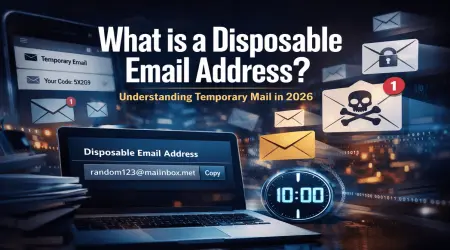
A disposable email address (DEA), also known as a temporary email or temp mail, is a temporary, anonymous email address that allows users to receive emails at a temporary address that automatically self-destructs after a certain period. These addresses are designed to provide a quick, transient inbox for situations where providing a real, permanent email address is undesirable, primarily to avoid spam, protect privacy, and bypass immediate verification requirements without commitment.
Key Takeaways
- Temporary Nature: Disposable email addresses automatically expire after a set time, typically ranging from minutes to days.
- Privacy Protection: They shield your primary inbox from spam, unwanted newsletters, and potential data breaches.
- Anonymity: DEAs help maintain online anonymity by not linking activities to your permanent identity.
- Spam Reduction: The primary benefit is to significantly reduce the amount of unsolicited email in your main inbox.
- No Registration: Most services don't require registration, offering instant, one-click email generation.
- Limited Use Cases: While great for quick sign-ups or testing, they are unsuitable for long-term communication or critical accounts.
- Easy Generation: Numerous free and paid services exist, making it simple to generate a new address on demand.
- Security for One-Offs: Ideal for websites or services you plan to use only once or don't fully trust.
- Verification Bypass: Useful for verifying accounts that require an email confirmation without exposing your main address.
What is a Disposable Email Address, Exactly?
A disposable email address (DEA) is a temporary email address that allows you to receive emails for a limited time without revealing your permanent email address. Think of it as a single-use digital mailbox created on the fly for specific, short-term purposes, which then self-destructs or becomes inaccessible after a predefined duration, typically minutes or hours. This ephemeral nature is its defining characteristic, setting it apart from standard email accounts.
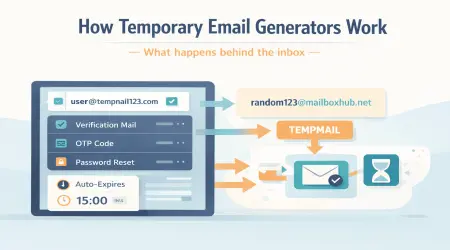
These services generate a unique, random email address that forwards incoming mail to a temporary inbox. For example, if you visit a website offering free templates but requiring an email sign-up, you could use a disposable email. The activation link or download confirmation would arrive in your temporary inbox, allowing you to access the content without exposing your primary email to future marketing emails or potential data breaches. Many users find this particularly useful for safeguarding their main inbox from newsletters they don't truly want, or for testing new applications where a permanent commitment isn't necessary. For a deeper dive into how these services operate, exploring how temporary email generators work can be quite insightful.
Why Should You Use a Disposable Email Address?
You should use a disposable email address to protect your primary inbox from spam, enhance your online privacy, and avoid unsolicited marketing communications after one-time sign-ups or interactions with less-trusted websites. They serve as a crucial buffer between your digital identity and the vast, often noisy, internet.
Consider the common scenario: you want to download a single whitepaper from a new software vendor, but they demand your email address. Providing your real email risks an endless stream of promotional messages, and potentially, your address being sold to third parties. By using a disposable email, you get the whitepaper, and any subsequent emails from that vendor go to an inbox that will soon cease to exist, keeping your main inbox clean. This protective barrier is especially valuable in 2026, where data privacy concerns are at an all-time high. It's a proactive step to prevent your digital footprint from becoming unnecessarily large. A good rule of thumb: if you don't intend to build a long-term relationship with an online service, a disposable email is likely the smarter choice. For more reasons why these services are gaining traction, consider reading about the top 10 reasons temporary email websites are growing rapidly in 2026.
When Are Disposable Email Addresses Most Useful?
Disposable email addresses are most useful for situations requiring a temporary email for verification, access to content, or one-off registrations where long-term communication or privacy are concerns. They excel in scenarios where you need to quickly sign up for something without exposing your main email.
Here are some specific instances where DEAs shine:
- One-Time Registrations: Signing up for free trials, downloading ebooks, accessing webinars, or using forums you'll likely visit only once.
- Spam Avoidance: Preventing marketing emails, newsletters, and promotional content from cluttering your primary inbox. This is perhaps their most celebrated feature.
- Privacy Protection: Shielding your true identity and personal email from potentially malicious websites or services you don't fully trust.
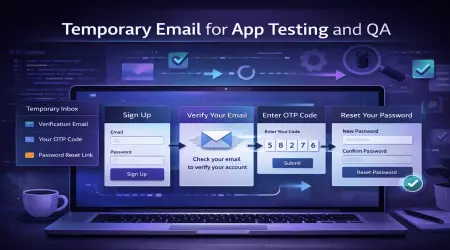
- Testing and QA: Developers and QA testers often use DEAs to create multiple accounts for testing app functionalities or user flows without needing to generate numerous real email accounts. This can be particularly efficient for rapid iteration in software development. For more, see Temporary Email for App Testing and QA: A Practical Guide.
- Bypassing Paywalls/Soft Walls: Some content sites use email registration as a soft paywall. A disposable email allows access without commitment.
- Uncertain Websites: If you're unsure about the legitimacy or privacy practices of a new website, a DEA offers a layer of protection.
- Referral Programs: Participating in referral programs that require new sign-ups, allowing you to leverage benefits without creating new primary accounts.
Imagine a user named Alex, who enjoys exploring new online games. Many gaming platforms require an email to create an account, even for a quick demo. Instead of using their personal email, Alex generates a disposable email address for each new game they want to try. This way, if a game's community turns out to be spammy, or if the platform suffers a data breach, Alex's real inbox remains untouched. This strategy makes online exploration much safer and stress-free.
What Are the Benefits and Drawbacks of Disposable Email Addresses?
Disposable email addresses offer significant benefits in terms of privacy and spam reduction, but they come with drawbacks related to their temporary nature and potential for account recovery issues. Understanding both sides is crucial for effective use.
Here's a breakdown:
| Benefit 👍 | Drawback 👎 |
|---|---|
| Spam Prevention: Keeps your main inbox clean from unsolicited messages. | Account Recovery Issues: Cannot recover forgotten passwords if the DEA has expired. |
| Enhanced Privacy: Protects your real identity and personal data from less trustworthy sites. | Unsuitable for Critical Accounts: Not for banking, social media, or other essential services. |
| Reduced Digital Footprint: Limits the amount of personal information circulating online. | Service Blacklisting: Some websites block known DEA domains to prevent misuse. |
| Quick & Easy Access: Often requires no registration, allowing instant email generation. | Limited Lifespan: Emails and accounts tied to DEAs are lost once the address expires. |
| Testing & Evaluation: Ideal for trying out new services without commitment. | No Outgoing Mail: Most DEA services do not support sending emails. |
| Bypass Verification: Facilitates quick access to content or services requiring email confirmation. | Potential for Misuse: Can be used for unethical activities, though this is not their intended purpose. |
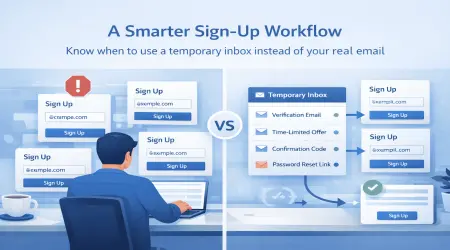
For example, Sarah wanted to try a free online graphic design tool for a quick project. She used a disposable email to sign up, successfully completed her project, and avoided all the follow-up marketing emails the tool sent out. However, if she had accidentally created her main social media account with a disposable email, she would be unable to reset her password if she ever got locked out, because the email address would have long since expired. Therefore, a disposable email is a safer way to sign up online, but only for specific use cases. Read more about A Safer Way to Sign Up Online: When a Disposable Email Actually Makes Sense.
How Do You Use a Disposable Email Address?
Using a disposable email address typically involves visiting a temporary email service website, generating an address, using it for your online activity, and then accessing the temporary inbox to retrieve any necessary verification emails. The process is designed to be quick and intuitive.
Here's a general step-by-step guide:
- Choose a Service: Navigate to a reliable disposable email service provider like TempMailBank. Many services are available, some free, some with premium features. For a guide on choosing one, check out The Best Temporary Email Services of 2026: What Makes TempMailBank Different.
- Generate an Address: Most services will automatically generate a unique, temporary email address for you upon arrival. You'll often see this prominently displayed on the webpage.
- Copy the Address: Click a "copy" button next to the generated address.
- Use for Sign-Up/Verification: Paste this copied address into the email field of the website or service you wish to interact with.
- Check the Temporary Inbox: Return to the disposable email service website. Any emails sent to your temporary address (e.g., verification links, download links) will appear in the temporary inbox displayed on that page. These inboxes often refresh automatically.
- Retrieve Information: Open the relevant email in the temporary inbox, click any links, or retrieve any necessary information.
- Address Expiration: Once you've completed your task, or after the set time limit, the disposable email address will expire, and its inbox will be deleted, along with all its contents.
Let's say you're trying to sign up for a newsletter to get a discount code, but you don't want ongoing emails. You'd go to a disposable email site, copy the generated address, paste it into the newsletter sign-up form, and then wait a few seconds for the discount code email to appear in your temporary inbox. After you grab the code, you simply close the tab, and that email address effectively vanishes, leaving your main inbox undisturbed. This workflow can significantly reduce the amount of junk mail you receive in your primary inbox, helping you stop giving your real email to every website.
Disposable Email vs. Email Aliases: What's the Difference?
While both disposable email addresses and email aliases aim to protect your primary inbox, they differ fundamentally in their longevity, purpose, and connection to your main account. A disposable email is a truly temporary, self-destructing address, whereas an email alias is a persistent, secondary address that forwards mail to your main inbox.
Here's a comparison:
| Feature | Disposable Email Address (DEA) | Email Alias |
|---|---|---|
| Purpose | Short-term, one-off use; privacy, spam prevention. | Long-term use; organization, identity masking for specific persistent contexts. |
| Longevity | Expires automatically (minutes to days). | Permanent, forwards to your main inbox until manually deleted. |
| Anonymity | High degree of anonymity; no direct link to your true identity after expiration. | Less anonymous; clearly linked to your main email and identity by the provider. |
| Incoming Mail | Received in a temporary, isolated inbox on the DEA service website. | Forwards directly to your primary email inbox. |
| Outgoing Mail | Generally not supported. | Often supports sending mail from the alias, using your main email provider. |
| Recovery | Not possible once expired. | Full account recovery via your main email provider. |
| Best For | Free trials, forums, one-time downloads, testing, doubtful websites. | Newsletter subscriptions you do want, distinct online personas, separating personal and professional contacts. |
Consider a scenario where you want to sign up for a new online community but aren't sure if you'll stick with it. Using a disposable email addresses would give you immediate access without creating a permanent link to your identity. If you later decide you love the community and want to receive updates regularly, you might then switch to an email alias (if supported by your main email provider) or even your real email for a more permanent connection. The choice hinges on whether you need a temporary shield or a persistent, organized alternative inbox.
Are There Any Security Risks Associated with Disposable Email Addresses?
While disposable email addresses offer privacy benefits, they can pose certain security risks if used improperly, primarily due to their temporary nature and the lack of long-term control over the address. The main concern is using them for accounts that require long-term access or password recovery.
Here are the key security considerations:
- Account Lockout Risk: If you create a crucial account (e.g., social media, online banking) using a disposable email and then forget your password, you will be unable to reset it once the DEA expires. This could lead to permanent account loss.
- No Long-Term Control: Once a DEA expires, you lose access to any emails sent to it. This means you can't revisit past communications or verify account changes years down the line.
- Potential for Reuse by Service: Some basic, free DEA services might recycle addresses after they expire. While unlikely for highly sensitive information, it's a theoretical risk that someone else could later receive emails intended for your "old" temporary address if it gets reused. Reputable services typically ensure uniqueness.
- Trusting the DEA Provider: You are entrusting the DEA service with temporary access to your communications. While most are privacy-focused, it's essential to choose a service with a good reputation. Reviewing their privacy policy is always a good practice, much like you would with TempMailBank's Privacy Policy.
- Not a Substitute for True Anonymity: While DEAs enhance privacy, they don't provide complete anonymity if your other online actions (IP address, browser fingerprinting) can still identify you. They are a tool for email privacy, not a full anonymity solution.
For instance, a common mistake is using a disposable email address to register for a cryptocurrency exchange. If you ever lose access to that exchange account, you will have no way to perform an email-based password reset or account recovery, potentially losing your funds. Therefore, it's crucial to reserve DEAs for low-stakes, short-term interactions where losing access to the associated account wouldn't be catastrophic. Using them for temporary email for sign-ups is a smart way to reduce spam and protect your main inbox, but always consider the implications for long-term account access.
Common Uses for Disposable Emails
- Signing up for free trials without commitment.
- Accessing gated content like whitepapers or ebooks.
- Testing new applications or websites.
- Participating in online polls or giveaways.
- Protecting your main inbox from spam and marketing emails.
What to AVOID Using DEAs For
Disposable email addresses should NEVER be used for:
- Critical accounts (banking, social media, government services).
- Long-term communication where you need to receive ongoing updates.
- Account recovery or password resets for important services.
- Legal or professional correspondence.
Using them for high-stakes accounts risks permanent loss of access.
🚨 Important Warning: Account Security 🚨
Never use a disposable email address for any account where you expect to need long-term access or account recovery. This includes banking, primary social media, online shopping with saved payment info, or any service tied to your real identity. Once the disposable email expires, you will lose access to password reset links, verification codes, and crucial updates, potentially locking you out of your account permanently.
Conclusion
In an increasingly interconnected digital world, knowing what is a disposable email address and how to use it effectively is a valuable skill for protecting your online privacy and combating inbox clutter. These temporary email solutions offer a powerful shield against spam, marketing overkill, and potential data breaches, making them ideal for one-off registrations, testing new services, or accessing content from less-trusted sources. While they provide significant benefits in terms of privacy and convenience, it is crucial to remember their temporary nature and avoid using them for critical accounts that require long-term access or password recovery.
By strategically incorporating disposable email addresses into your online routine, you can maintain a cleaner primary inbox, reduce your digital footprint, and navigate the internet with greater peace of mind in 2026 and beyond. Always choose reputable services and understand the specific use case before generating a temporary email to ensure you're maximizing its benefits while mitigating any potential risks.